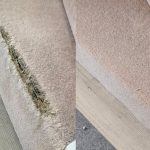
How to Add Carpet Repair to Your Cleaning Business in 30 Days
If you’re running a carpet cleaning business and you’re not offering repairs, you’re leaving serious money on the table. Here’s exactly how to add carpet repair as a service — from zero to taking paid jobs — in 30 days.
Carpet repair is one of the most profitable add-on services available to any carpet cleaner, tradesperson, or flooring professional in the UK. Jobs take 30 to 60 minutes, customer prices typically range from £80 to £250+, and the material costs are minimal. The barrier to entry is low — you don’t need expensive machinery, a large van, or any prior repair experience to get started.
This guide walks you through exactly what to do, week by week, to go from no repair experience to confidently offering and selling carpet repair to your existing customers.
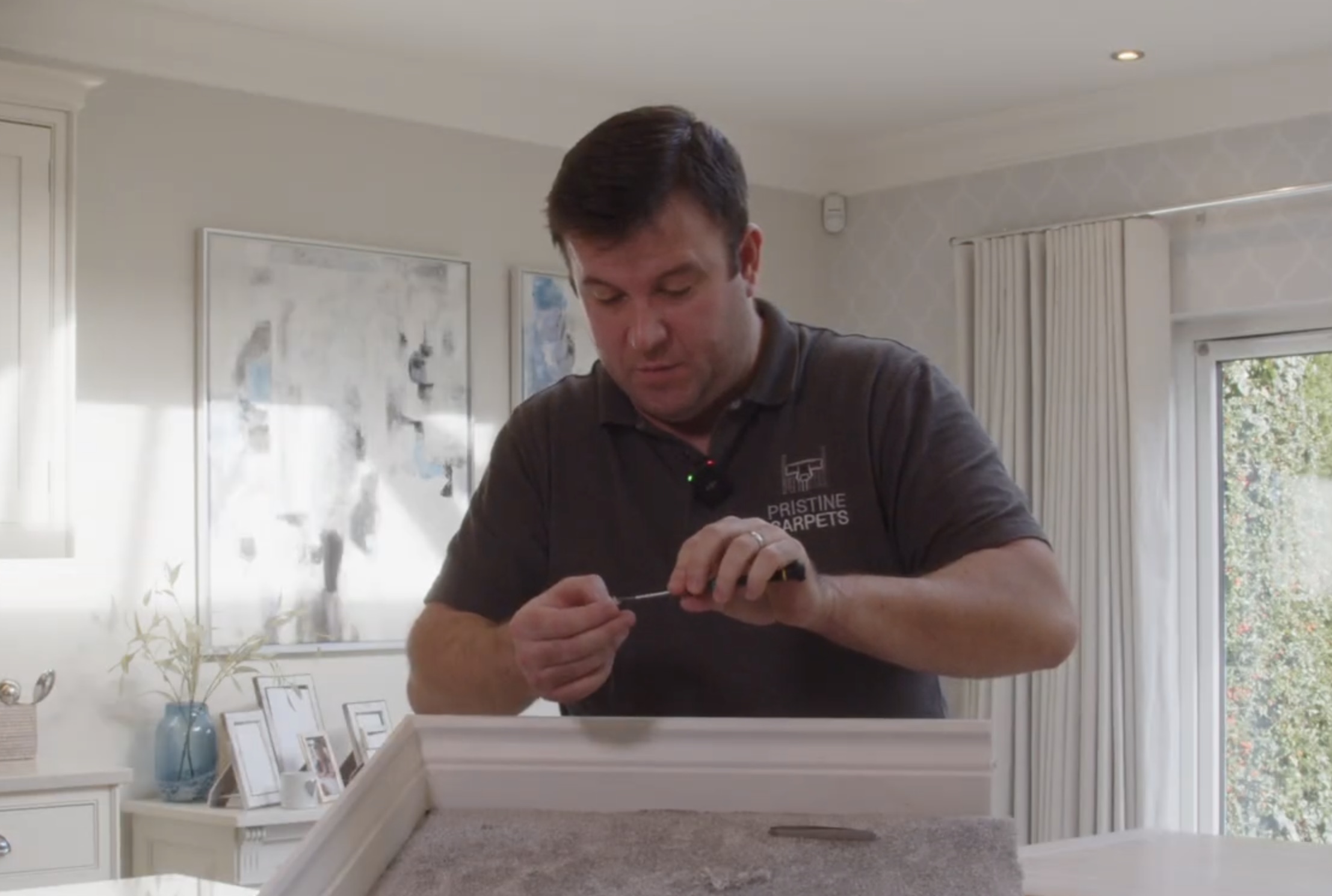
Carpet repairs like this staircase re-stretch can be completed in under an hour and command strong prices.
Understand What’s Possible and What’s in Demand
Before you spend a penny, spend a few days getting familiar with the types of repairs that are most commonly requested. These are the jobs you’ll see most often once you start offering the service:
- Carpet patch repairs — replacing a damaged section with donor carpet
- Burns and heat damage — cigarette burns, iron scorches, heat marks
- Pet damage repairs — pulled, frayed, and scratched areas near doors and skirting
- Doorway and threshold repairs — worn edges and loose joins at doorways
- Seam repairs and rejoins — lifting, split, or visible seams
- Re-stretching — rippled or loose carpet that needs re-laying
These are the bread-and-butter jobs. They’re in constant demand from homeowners, landlords, letting agents, and property managers — many of whom already use a carpet cleaner. That means you’re not finding new customers. You’re selling to people who already trust you.
Think about your last 10 cleaning jobs. How many of those properties had damaged carpet? Chances are, several did. Those are missed repair opportunities you could already be charging for.
Get Trained Properly
This is the most important step. There’s a significant difference between watching YouTube videos and learning from someone who does this work every day on real customer jobs. Poor technique on a repair job is very visible — and very difficult to fix.
A professional carpet repair training course gives you everything you need in a single day:
- Step-by-step techniques for every repair type
- How to achieve invisible, professional results
- What tools you need and where to source them cost-effectively
- How to assess a job and know what’s achievable before you commit
- How to price repairs for strong profit margins
- How to confidently introduce repair services to existing customers
At the Carpet Repair Academy, our training course is delivered by Russell and the team at Pristine Carpets — an active carpet cleaning and repair business based in Bedfordshire, where repairs make up a significant proportion of day-to-day work. Everything taught is used on real jobs, every week.
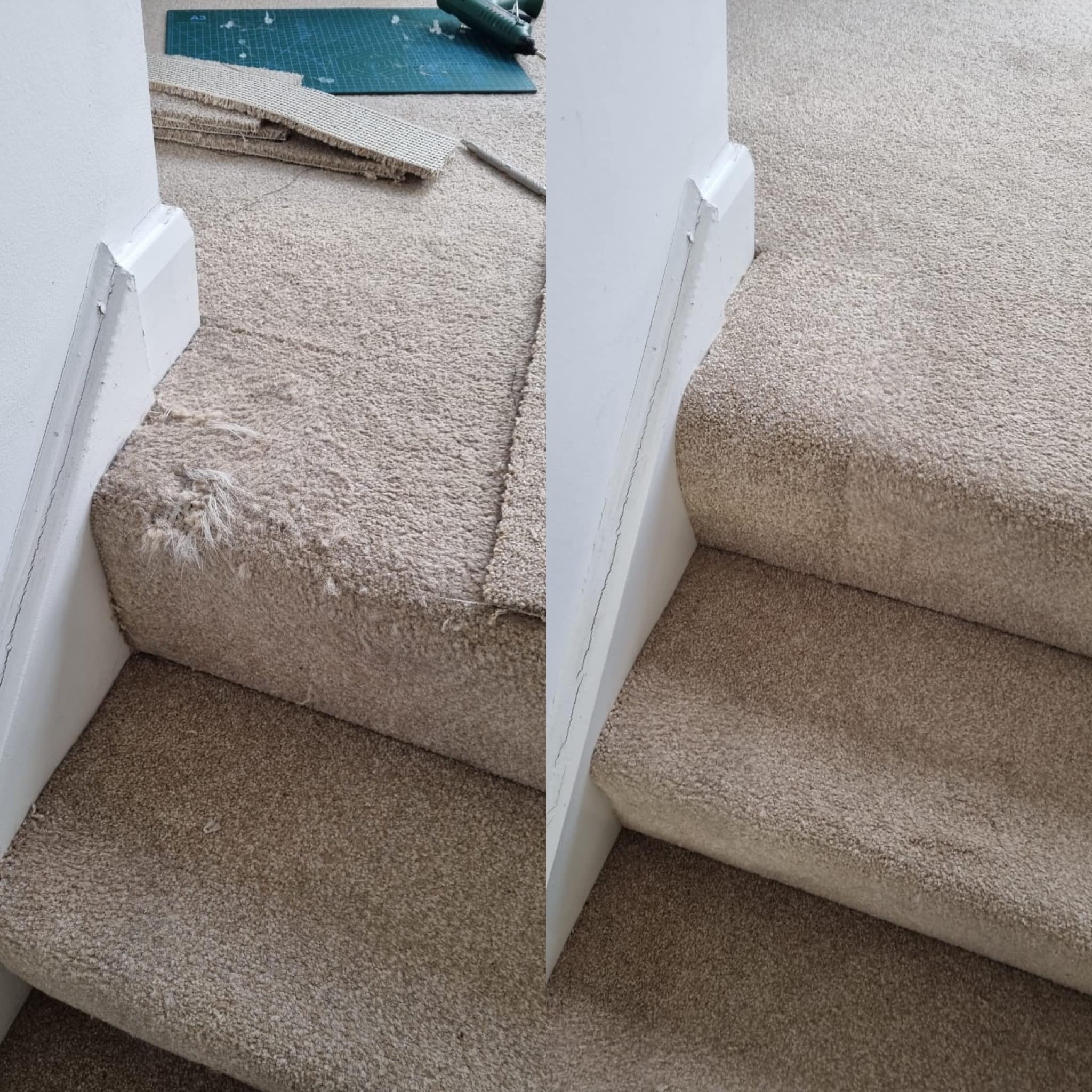
Hands-on training focused on real repairs — not theory.
You’ll leave knowing what jobs to take on, what to avoid, and how to deliver professional results that customers are happy to pay for.
Get Equipped — for Around £180
One of the biggest advantages of carpet repair is the low cost of entry. You do not need expensive machines, a specialist vehicle, or thousands of pounds in equipment. Most repairs require simple hand tools, basic consumables, and some donor carpet.
A basic carpet repair toolkit typically includes:
- Carpet knife and spare blades
- Knee kicker and power stretcher (for re-stretching jobs)
- Seam iron and seaming tape
- Carpet adhesive and double-sided tape
- Row running tool and stair tool
- Donor carpet offcuts (often sourced from the customer)
During training, we go through exactly what to buy, what to avoid, and where to source everything cost-effectively. Most trainees get fully equipped for around £180 — meaning one or two repair jobs covers the entire setup cost.
Always ask customers if they have any leftover carpet from when the floor was laid. A matching donor piece makes patch repairs virtually invisible — and most customers have a roll tucked away in a cupboard or loft.
Start Selling to Your Existing Customers
You don’t need a new website, new marketing, or new customers to start earning from carpet repair. Your fastest route to paid jobs is the customer base you already have.
Here’s how to introduce carpet repair naturally to people who already trust you:
- Mention it on every cleaning job. When you arrive, take 60 seconds to walk the room before you start. Note any visible damage and mention it to the customer — “I noticed there’s a worn patch by the door, we now offer repairs if that’s something you’d like us to look at.”
- Email your existing customer list. A simple message telling your customers you now offer carpet repair — and what types of damage you can fix — will generate enquiries immediately.
- Update your website and Google Business Profile. Add carpet repair to your services. This alone will start bringing in new search traffic.
- Contact local landlords and letting agents. These are your highest-volume repair customers. They need repairs between tenancies constantly, and most are actively looking for a reliable trade professional they can call on regularly.
- Add it to your invoices and job completion emails. A simple line at the bottom — “We also carry out professional carpet repairs. Ask us for a quote.” — costs nothing and generates ongoing referrals.
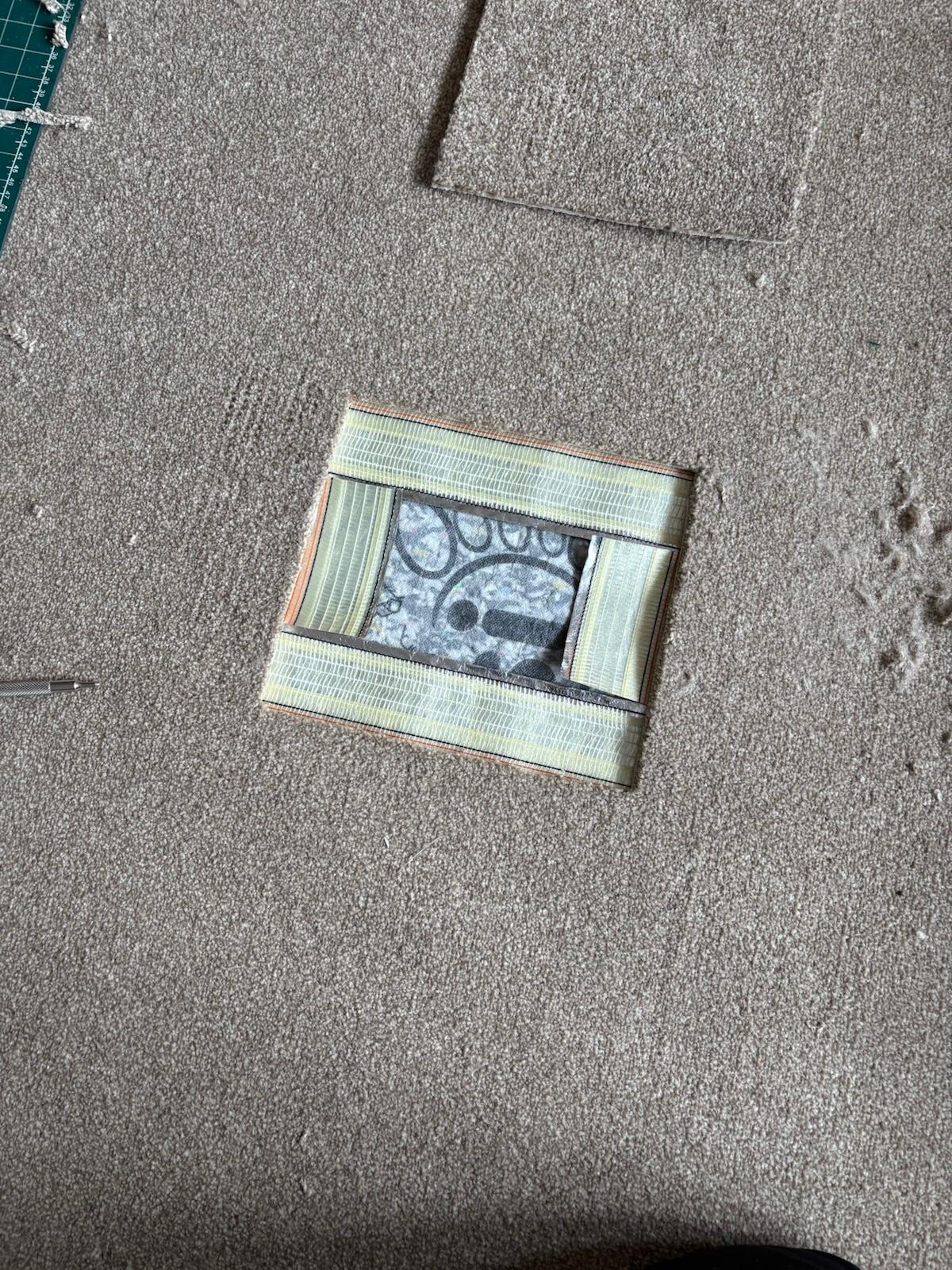
A quality repair result that customers are happy to recommend — and pay well for.
What to Expect After 30 Days
Within 30 days of completing your training and getting equipped, most carpet cleaners who follow this process will have:
- Completed their first paid repair job
- Covered the cost of their toolkit
- Started receiving enquiries from existing customers
- Added carpet repair to their website and Google Business Profile
- Identified a local landlord or letting agent to approach
The longer-term picture is even more compelling. Carpet repair jobs are fast, profitable, require no wet work or drying time, and can be done year-round in any weather. Many carpet cleaners find that within three to six months, repair work becomes a core part of their income — often generating more per hour than cleaning itself.
In most cases, one or two repair jobs will cover the full cost of the training course. After that, it’s pure profit added to every working week.
Is Carpet Repair Training Worth It?
The short answer is yes — if you’re already running a carpet cleaning business, adding repair is the lowest-effort, highest-return service upgrade available to you. The demand is already there in your existing customer base. The equipment is affordable. The training takes a single day. And the jobs are quick, profitable, and satisfying to complete.
The only question is how quickly you want to get started.
Book Your Carpet Repair Training Course
Hands-on, one-day training delivered by an active repair business. Locations in Porthcawl, South Wales and Bedford, Bedfordshire. Places are limited — £399 all inclusive.
Book Your Place →Frequently Asked Questions
Do I need any previous carpet repair experience?
No. The course is designed for complete beginners as well as those with some experience who want to formalise and improve their technique. No prior carpet repair knowledge is required.
How long does the training take?
The Carpet Repair Academy course is a full day of hands-on, in-person training. You’ll cover all the core repair types, tools, pricing, and selling in a single intensive day.
What if I don’t have a carpet cleaning business yet?
The course is suitable for anyone who wants to learn a practical, profitable skill — including tradespeople, handymen, flooring installers, property maintenance businesses, and landlords looking to reduce replacement costs.
Where are the training locations?
We currently run courses at two UK locations — Porthcawl in South Wales and Bedford in Bedfordshire. Both venues provide a professional environment with hands-on practice and real repair scenarios.
How quickly can I start taking paid jobs after training?
Most trainees are ready to take on paid repair work immediately after completing the course. You’ll leave with the skills, the knowledge of what tools to buy, and the confidence to quote and carry out jobs straight away.